
9.1 | Student experiences IMVET
9 | Case studies and best practices

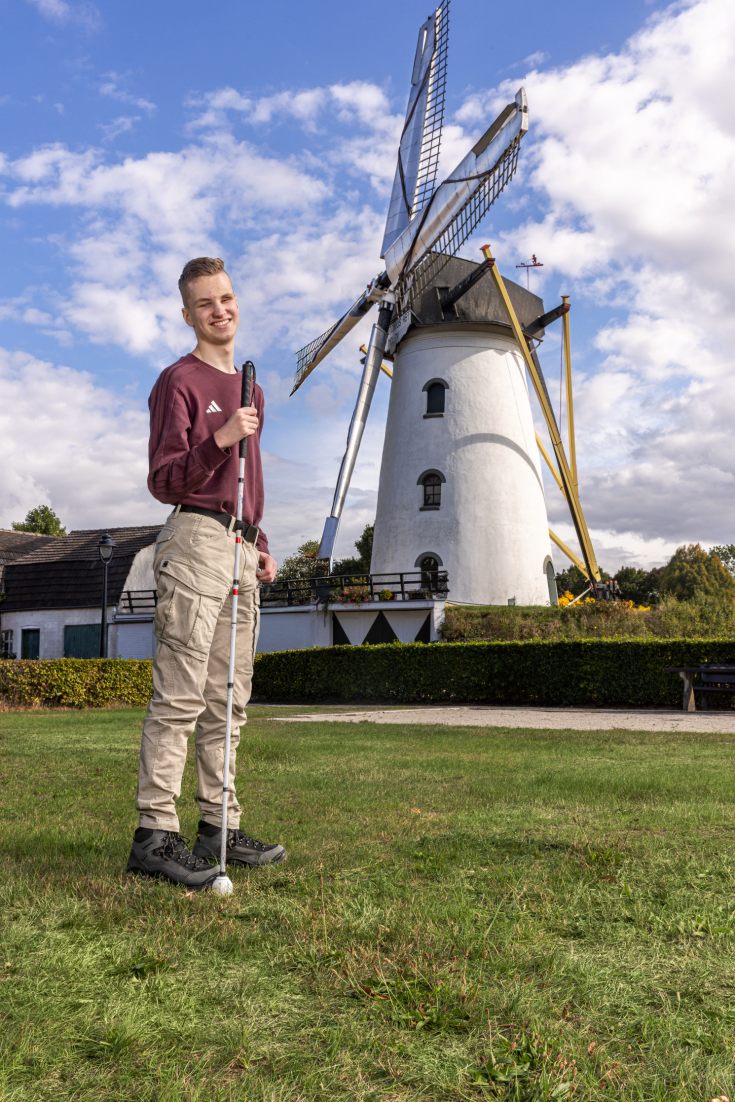
Wout: “It will work out”
For Wout, a Dutch student in Allround IT Systems and Devices, his international experience started in a big way. At seventeen, he traveled to Japan – his first time outside Europe, and also his first time traveling without his parents. Not for a holiday, but for work: as an expert by experience, he helped introduce products for people who are blind or visually impaired. Wout is blind himself, which allowed him to explain better than anyone how this technology works in practice.
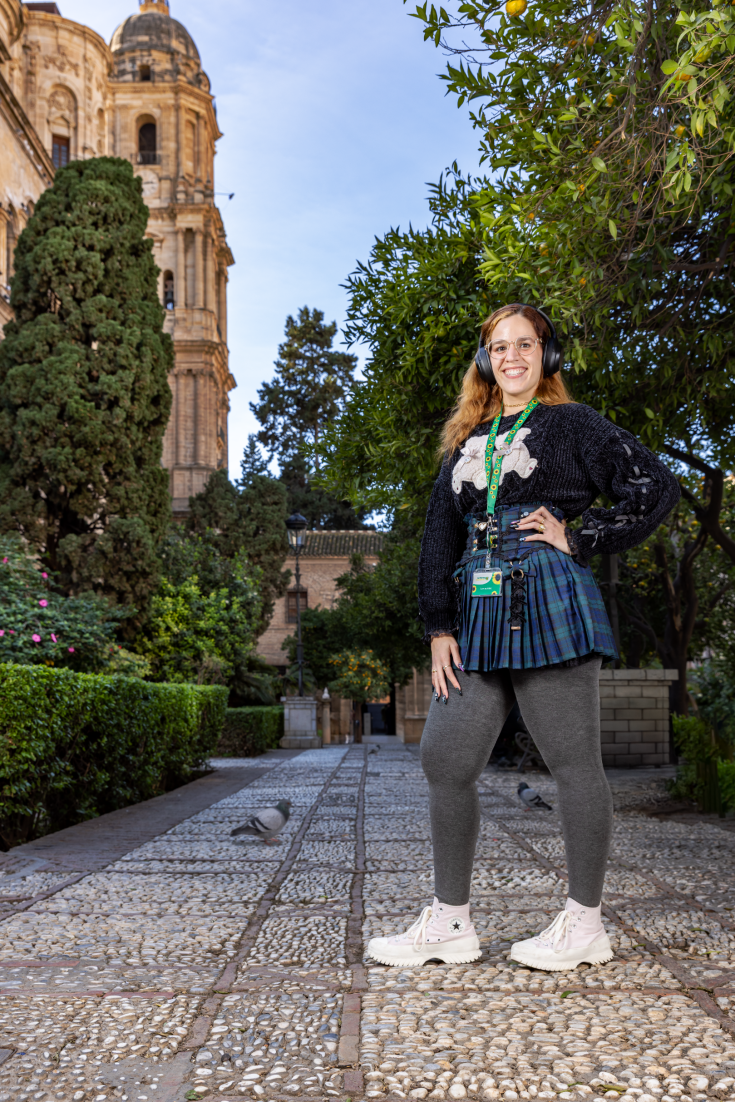
Maria: “You already have the ‘no.’ So try.”
For Maria, a 26-year-old Spanish dental hygienist student, going abroad was not something she took lightly. She is someone who is very self-aware and thoughtful, and who experiences new environments, travel and daily routines quite intensely. Busy or unfamiliar situations can feel overwhelming at times, especially when combined with her health conditions and food allergies. Still, she decided to take the step and joined an Erasmus mobility in Greece.
“I’ve worked a lot on myself,” Maria explains. “So that fear doesn’t control my decisions.”
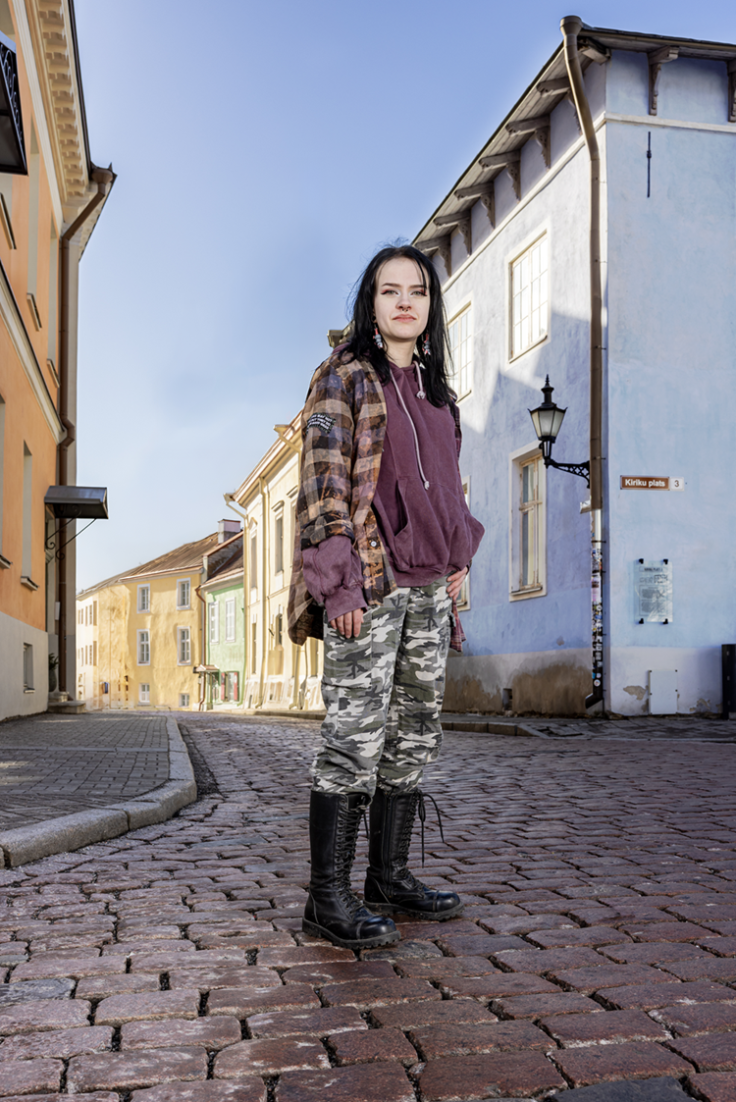
Laura: “There is no need to be afraid”
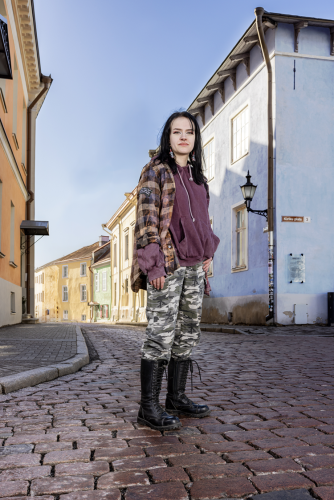
For Laura, an Estonian automotive painting student in her final year, going abroad was about more than just travel. She is someone who is open and energetic, but who can also experience fluctuations in energy and emotions, especially in new or intense situations. This means that social interaction and unfamiliar environments can sometimes take a lot of energy. She joined an Erasmus+ project in Spain focused on improving opportunities for people with disabilities, something she personally relates to.
Chris: “Going abroad helped me believe in myself”
For Chris, a Greek student in electrical engineering, going abroad was an opportunity to challenge himself. He describes himself as someone who enjoys new experiences and always tries his best, even when things are not easy.
Learning and communication can sometimes take more effort for him, especially in unfamiliar environments. Still, when he got the chance to join the IMVET project in Spain, an Erasmus+ initiative focused on improving opportunities for students with disabilities, he decided to go for it. “I was very lucky to be selected,” he says
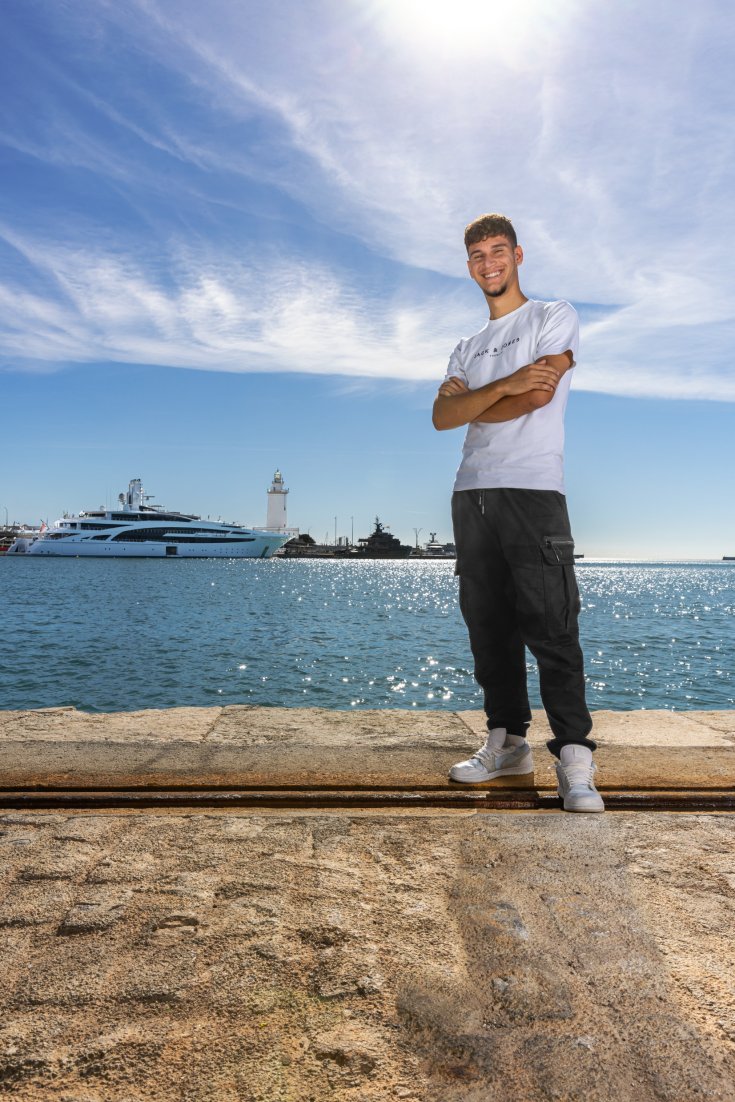
Kia: “A small step abroad that made a big difference”
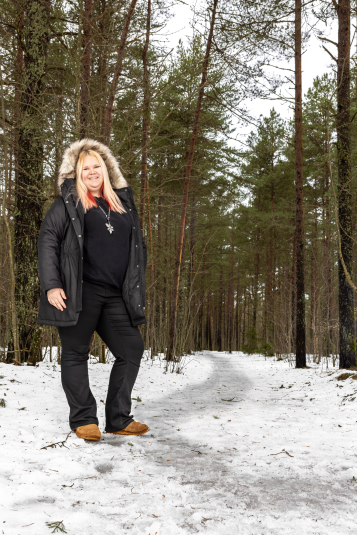
For Kia, a 17-year-old Finnish student in early childhood education and family work, going abroad started as a small step. She describes herself as independent, empathetic and creative. But also someone who can feel overwhelmed in new environments and busy social situations, and who needs to find the right balance between activity and rest.
When she heard about the opportunity to join a short Erasmus+ group mobility in Málaga, she didn’t hesitate. “I signed up straight away,” she says. “I’ve always loved traveling and new cultures.”
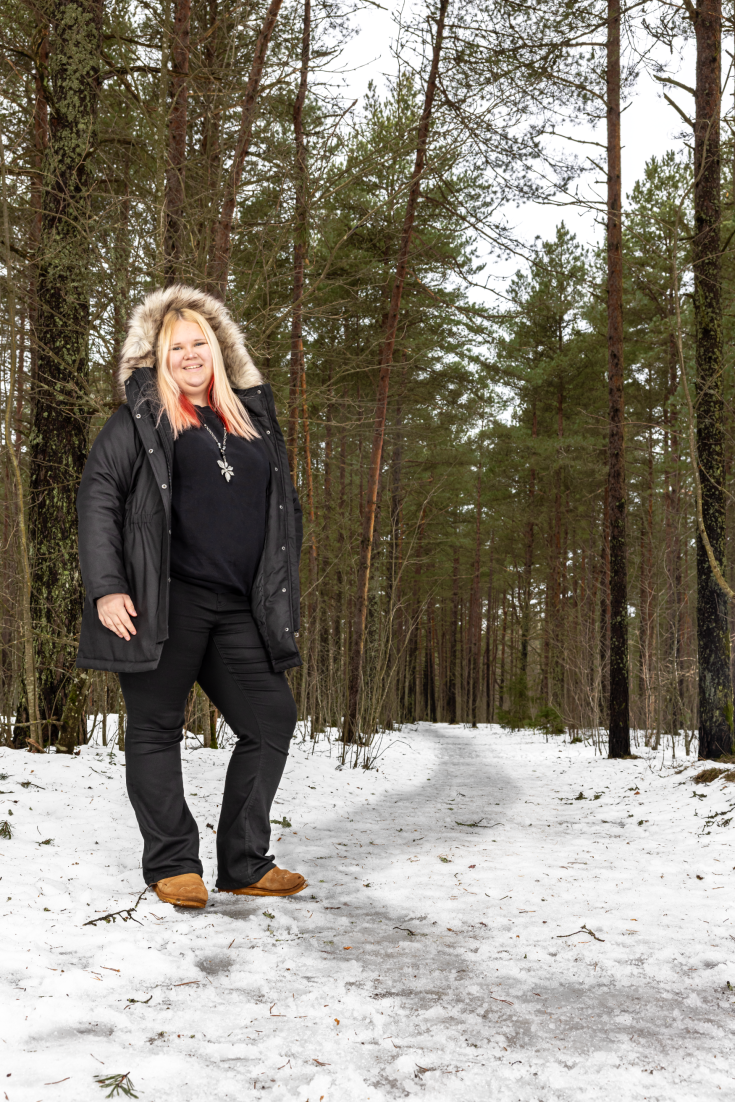
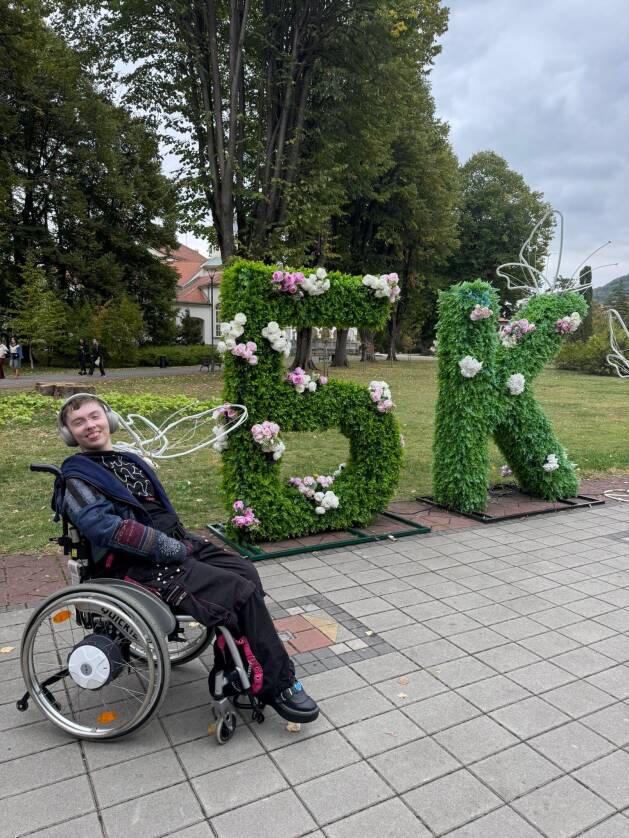
“I wanted to show that even with a disability, you can still go abroad and do what you love."
- Anniek, game art student at Media College Amsterdam
As a Game Art student studying with cerebral palsy and ADHD, Anniek decided to do her internship in Serbia, teaching creative workshops for students with disabilities. It was certainly not always easy: she had to arrange her own care, deal with uneven streets and transport, and figure out many things herself. But Anniek never gave up. She found smart solutions and grew more confident and independent. Her experience proves that mobility isn’t just about going abroad but about discovering what you can do by yourself when you get the chance. Anniek’s story shows how studying or doing an internship abroad can be possible for everyone, with the right preparation and support.
Anniek’s journey also shows what support is needed from the education institution to organize an inclusive mobility, such as a good planning, open communication, and support that fits each student’s needs. She took the lead in organizing her internship and learned that asking for help is a strength, not a weakness. Her story can inspire schools and organizations to make international experiences open to all students, no matter their situation. With the right attitude and teamwork, everyone can have the chance to travel, learn, and grow, just like Anniek did.
Country: The Netherlands
School: Media College Amsterdam
Student experience (full story): Anniek on her internship abroad with cerebral palsy | ECIO
9.2 | Internship abroad with cerebral palsy
Koning Willem 1 College (KW1C), as well as Tartu Vocational College, participates in a small scale KA2 project called Steps to working life. This project supports students in pre-VET training, many of whom are at risk of social exclusion due to weak study or language skills. It develops tools for better on-the-job training guidance, helping students build work-life skills early. The project promotes inclusion, especially for immigrant students and those with special needs, and works against discrimination.
Students are actively involved in this project. They participate in the international meetings that are organized three times during the project. Participating students from KW1C are two deaf immigrant students. They were accompanied by two sign language interpreters during their visits to Estonia and Finland.
This was possible thanks to the exceptional costs the Erasmus+ KA1 program covers.
While preparing a short-term mobility for a group of students, teachers from Koning Willem 1 College (KW1C) learned that one of the students had a physical disability and couldn’t walk long distances.
One of the planned activities required a lot of walking. Instead of finding an alternative for the student who would not be able to join this day, the teachers decided to plan two activities on this same day, carried out simultaneously. All students could choose either one of them.
This way, nobody felt like they were ‘the exception’. And both activities turned out to be equally popular.
9.3 | Steps to working life
Firda participated as a partner in the KA2 project InTeam4IEd – Innovative Teaching Methodologies in Hospitality Schools for Inclusive Education. The project focused on supporting teachers and workplace mentors working with hospitality VET students diagnosed with Autism Spectrum Disorder (ASD). Its aim was to strengthen their ability to guide these students effectively, both within the educational environment and in the professional hospitality context.
The project resulted in the development of the innovative and flexible Flexible Hybrid Educational Methodology and Tools (FHEMT). This methodology provides educators with practical tools to help ASD students acquire sector‑specific competencies. The approach follows a clear step‑by‑step structure based on the PDCA cycle, ensuring that support is systematic, consistent, and effective.
Further information can be found via this link.
9.4 | InTeam4IEd – Innovative Teaching Methodologies in Hospitality Schools forInclusive Education
Karl has autism, and because of this, he sometimes finds it difficult to contact new people and adapt to new environments.
After graduating from primary school, Karl was not offered a place at any of the secondary schools he had applied to. He started a preparatory training course at Tartu vocational school to help him decide on a subject to study. He performed very well, as he is a highly responsible student.
Karl was offered the opportunity to go to Finland with a small group of students. For him, this was his first trip abroad. He said it was very important that he was strongly supported by an accompanying mentor, who gave clear instructions about what to pack, what the schedule would be, and what to expect.
The trip lasted ten days, which was a long time for him to be away from home. However, the host organisation was very welcoming, and it helped greatly that the students from the Finnish school had a similar study path. It was also beneficial that Karl stayed with his own group and teacher throughout the trip.
Karl made some friends whom he has kept in touch with even after the trip. He said that he is now much more open to travelling again, even independently, as this experience gave him a great deal of confidence.
9.5 | Karlon his internship abroad with autism spectrum disorder
Country: Greece
School: 1stVocational school of Kato Achaia
Nick, enrolled in a vocational education and training (VET) school, participated in a long-term Erasmus+ mobility programme in Cyprus. He had been formally diagnosed with dyslexia, a learning difficulty that significantly affects reading comprehension, written expression, and the ability to follow complex written instructions.
Although the mobility took place in Cyprus and therefore did not involve a language barrier, since Greek was the working language, the student faced considerable challenges in completing written tasks. In particular, he found it extremely difficult to follow the instructions required to complete the daily student log and the self-evaluation forms. Understanding written guidelines, organising his thoughts in writing, and accurately recording daily activities required constant effort and caused notable stress.
Additionally, when working with manuals and technical documents related to his training field, he experienced further difficulties. Despite having an engineering-oriented background and practical skills, the dense written material and structured instructions in manuals were hard for him to process without support.
The situation was eventually resolved thanks to the presence of the accompanying teacher, who happened to be specialised in languages and special learning needs. The teacher provided personalised guidance, broke down instructions into manageable steps, and offered oral explanations to support the student’s understanding and task completion. This targeted support enabled the student to successfully meet the mobility requirements and fully participate in the training activities. However, it is important to note that this support resulted from a fortunate coincidence rather than a planned inclusion measure. This case highlights the need for systematic provisions and adapted tools within Erasmus+ mobilities to ensure that students with learning difficulties receive appropriate support, regardless of the profiles of accompanying staff.
9.6 | Supporting a VET Student with Dyslexia in Erasmus+ Mobility
Positive pedagogical strength methods have been systematically used in the teaching of inclusive education in Diakonia College of Finland (SDO). During 2019-2022 SDO coordinated KA2 project Strengthening Inclusion of students with special needs through Positive Pedagogy (PICCIS). The aim was to develop staff but also students’ professional skills diversely and increase all students’ equal opportunities for international activities. Especially students, who need special support, require information about their own strengths to experience success and to guide their own activities. During the project a planned number of students with special diagnosis (for example down syndrome, autism, ADHD) participated internationally abroad for the first time.
PICCIS abbreviation comes from words: P-Positive I-Inclusion C-Companionship C-Communication I-International S-Strengths. These PICCIS abbreviation words came into real action in all LTTA meetings for staff and workshops with students. Staff planned and designed "Positive together"-workshops and peer learning activities for the special need students to join. Every LTTA program had different content depending on the host, for example: drama, handicrafts, music, dance, sports and creating short videos or making positive CVs.
Positive pedagogy includes:
Identifying one’s own strength (for example the free survey online: https://www.viacharacter.org).
Verbalizing the strengths to oneself and others.
Using the strength vocabulary on daily bases.
Using internal speech (courage yourself with strength speech).
Identifying different situations when internal strength speech has been used.
Identifying different strengths in others and verbalizing them to others.
This clearly promoted well-being and positive self-image of participating students. Positive experiences during studies will reduce dropouts and promote positive continuation and employment despite the cognitive difficulties at school. Special needs students in each organization participated also very actively when hosting PICCIS guests in their own organization.
This project included partners from Germany (Fachakademie für Heilpädagogik) and France (BeauSoleil vocational high school). Target was to understand better how to prepare students to enter the labor market by identifying their strengths and actively using them, while learning professional knowledge and competencies. The aim was to identify the differences and best practices between the countries, transfer this knowledge to concrete actions. The teachers and coaches could share new ideas internationally. The aim was to learn, how to link positive teaching and the “learning by doing”. In each country, there were also visits to workplaces that hires persons with disabilities.
Link to summary: Search - Erasmus+
9.7 | Positive Pedagogy (Erasmus+ PICCIS-project)

The Institute Ramón y Cajal in Zaragoza takes part in the Erasmus+ programme, allowing students with disabilities to complete vocational training internships in countries like Croatia and Italy.
The initiative has two main goals:
1. To improve the participants’ technical skills.
2. To promote inclusion and equality, helping to expand their future job opportunities.
More information can be found at this link: Institute Ramón y Cajal.
5. The Institute Ramón y Cajal located in Zaragoza, Spain.
ESN has supported inclusive mobility through different programmes. In December 2017, ESN organised a debate with members of the European Parliament and the European Commission about improving access to the Erasmus+ programme for people with disabilities. The discussion focused on the need for clear and practical actions to make sure people with disabilities are fully included in European mobility programmes (ESN website).
4. Erasmus Student Network (ESN) Initiatives
Vorarlberg University of Applied Sciences in Dornbirn, Austria, shows a strong commitment to equal access to international mobility. The university has more than 1,200 students, including about 100 international students each year, and sends a similar number of students abroad annually. Its goal is for at least half of all full-time bachelor students to study abroad for at least one semester.
One of the students, René, who is blind and uses a wheelchair, was able to take part in an Erasmus mobility thanks to the extra support available for students with special needs.
After finishing a degree in Social Work, René was chosen to become an Erasmus+ Ambassador. A documentary was later created to share his experiences and inspire others.
You can find more information at this link: Voralberg University of Applied Sciences.
3. Vorarlberg University of Applied Sciences, Austria
The Astangu Vocational Rehabilitation Centre in Estonia has over 20 years of experience supporting people with special needs. The centre has played an important role in developing rehabilitation services in Estonia and shares its knowledge with other organisations.
Astangu is actively involved in the Erasmus+ Mobility programme and has created a practical workbook to support teachers and staff. This workbook includes checklists to help before the trip, during the stay abroad, and after returning home.
Preparing learners for internships or trips abroad is divided into two main types: group preparation and individual preparation.
Group preparation includes activities organised for all participants together. An information session is held for learners and teachers, where students who took part in internships abroad in previous years share their experiences. They talk about their work placements and leisure activities and show photos. The project coordinator also explains the project, its goals, and the learner’s role.
Individual preparation focuses on one-on-one support for each learner. These activities are carried out by vocational teachers, case managers, and psychologists.
Preparation activities are divided into the following areas:
1. Psychological preparation: Psychologists support learners before the trip by helping them manage stress and anxiety. Learners receive clear information about what will happen during the internship. They also learn coping skills, such as how to deal with conflicts, manage emotions, and reduce stress.
2. Cultural preparation: Learners receive information about the host country, its culture, lifestyle, and the region where they will work. Practical topics are covered, such as local transport, traffic rules (for example, left-hand traffic in Dublin), and safety. Learners are shown where the country is on the map and watch an introductory video about the language, climate, and daily life. Travel arrangements, equipment, and appropriate clothing are also discussed.
3. Language preparation: Foreign language teachers support language learning during classes. In addition, a foreign volunteer at the centre organises conversation sessions to help learners practise the language before their internship.
4. Professional preparation: Learners discuss the role of support staff during the internship and are helped to set personal goals and plan how to achieve them. Learners who have already completed internships abroad share their experiences with others, encouraging and supporting those who are interested in taking part in future mobility opportunities.
2. Astangu Vocational Rehabilitation Centre
The ‘Make It Happen’ project aims to promote inclusive mobility in Europe for students with disabilities in Vocational Education and Training (VET). The project brings together nine partners from six countries: France, Spain, Italy, Germany, Portugal, and Belgium.
The goal of the project is to help mobility providers and VET organisations offer more Erasmus+ opportunities to students with disabilities. The project has three main aims:
to develop an inclusive approach to mobility,
to create tools that promote these opportunities, and
to build a European network of companies that support and take part in inclusive mobility programmes[4].
The project includes the following elements:
A document with inspiring examples and good practices
An online training course on how to organise inclusive mobility programmes for learners with disabilities
You can find more information by following this link: Make it happen.
[4] Make It Happen. (n.d.) Make It Happen Education. https://makeithappen.education/
1. Make it happen (Erasmus+ project)
9.8 | Erasmus+ initiatives
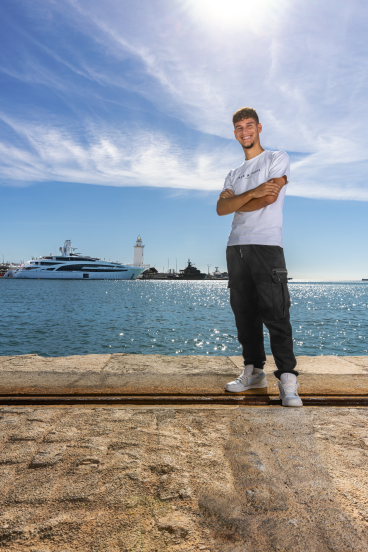
Chris: “Going abroad helped me believe in myself”
For Chris, a Greek student in electrical engineering, going abroad was an opportunity to challenge himself. He describes himself as someone who enjoys new experiences and always tries his best, even when things are not easy.
Learning and communication can sometimes take more effort for him, especially in unfamiliar environments. Still, when he got the chance to join the IMVET project in Spain, an Erasmus+ initiative focused on improving opportunities for students with disabilities, he decided to go for it. “I was very lucky to be selected,” he says
9.1 | Student experiences IMVET
9 | Case studies and best practices

Wout: “It will work out”
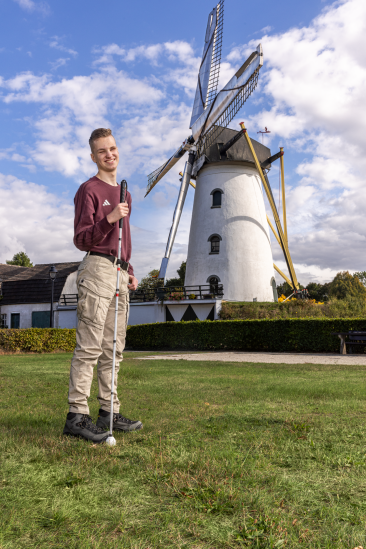
For Wout, a Dutch student in Allround IT Systems and Devices, his international experience started in a big way. At seventeen, he traveled to Japan – his first time outside Europe, and also his first time traveling without his parents. Not for a holiday, but for work: as an expert by experience, he helped introduce products for people who are blind or visually impaired. Wout is blind himself, which allowed him to explain better than anyone how this technology works in practice.
(Fotography: Martine van den Oever)
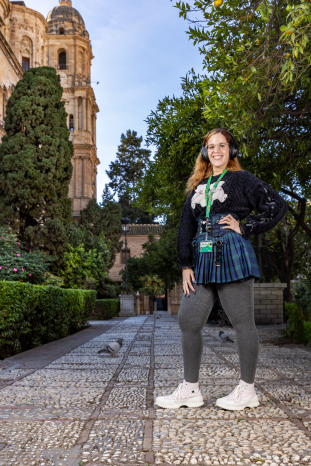
Maria: “You already have the ‘no.’ So try.”
For Maria, a 26-year-old Spanish dental hygienist student, going abroad was not something she took lightly. She is someone who is very self-aware and thoughtful, and who experiences new environments, travel and daily routines quite intensely. Busy or unfamiliar situations can feel overwhelming at times, especially when combined with her health conditions and food allergies. Still, she decided to take the step and joined an Erasmus mobility in Greece.
“I’ve worked a lot on myself,” Maria explains. “So that fear doesn’t control my decisions.”
Kia: “A small step abroad that made a big difference”
For Kia, a 17-year-old Finnish student in early childhood education and family work, going abroad started as a small step. She describes herself as independent, empathetic and creative. But also someone who can feel overwhelmed in new environments and busy social situations, and who needs to find the right balance between activity and rest.
When she heard about the opportunity to join a short Erasmus+ group mobility in Málaga, she didn’t hesitate. “I signed up straight away,” she says. “I’ve always loved traveling and new cultures.”
Laura: “There is no need to be afraid”
For Laura, an Estonian automotive painting student in her final year, going abroad was about more than just travel. She is someone who is open and energetic, but who can also experience fluctuations in energy and emotions, especially in new or intense situations. This means that social interaction and unfamiliar environments can sometimes take a lot of energy. She joined an Erasmus+ project in Spain focused on improving opportunities for people with disabilities, something she personally relates to.
Country: The Netherlands
School: Media College Amsterdam
Student experience (full story): Anniek on her internship abroad with cerebral palsy | ECIO
“I wanted to show that even with a disability, you can still go abroad and do what you love."
- Anniek, game art student at Media College Amsterdam
As a Game Art student studying with cerebral palsy and ADHD, Anniek decided to do her internship in Serbia, teaching creative workshops for students with disabilities. It was certainly not always easy: she had to arrange her own care, deal with uneven streets and transport, and figure out many things herself. But Anniek never gave up. She found smart solutions and grew more confident and independent. Her experience proves that mobility isn’t just about going abroad but about discovering what you can do by yourself when you get the chance. Anniek’s story shows how studying or doing an internship abroad can be possible for everyone, with the right preparation and support.
Anniek’s journey also shows what support is needed from the education institution to organize an inclusive mobility, such as a good planning, open communication, and support that fits each student’s needs. She took the lead in organizing her internship and learned that asking for help is a strength, not a weakness. Her story can inspire schools and organizations to make international experiences open to all students, no matter their situation. With the right attitude and teamwork, everyone can have the chance to travel, learn, and grow, just like Anniek did.
Country: The Netherlands
School: Media College Amsterdam
Student experience (full story): Anniek on her internship abroad with cerebral palsy | ECIO
9.2 | Internship abroad with cerebral palsy
Koning Willem 1 College (KW1C), as well as Tartu Vocational College, participates in a small scale KA2 project called Steps to working life. This project supports students in pre-VET training, many of whom are at risk of social exclusion due to weak study or language skills. It develops tools for better on-the-job training guidance, helping students build work-life skills early. The project promotes inclusion, especially for immigrant students and those with special needs, and works against discrimination.
Students are actively involved in this project. They participate in the international meetings that are organized three times during the project. Participating students from KW1C are two deaf immigrant students. They were accompanied by two sign language interpreters during their visits to Estonia and Finland.
This was possible thanks to the exceptional costs the Erasmus+ KA1 program covers.
While preparing a short-term mobility for a group of students, teachers from Koning Willem 1 College (KW1C) learned that one of the students had a physical disability and couldn’t walk long distances.
One of the planned activities required a lot of walking. Instead of finding an alternative for the student who would not be able to join this day, the teachers decided to plan two activities on this same day, carried out simultaneously. All students could choose either one of them.
This way, nobody felt like they were ‘the exception’. And both activities turned out to be equally popular.
9.3 | Steps to working life
Firda participated as a partner in the KA2 project InTeam4IEd – Innovative Teaching Methodologies in Hospitality Schools for Inclusive Education. The project focused on supporting teachers and workplace mentors working with hospitality VET students diagnosed with Autism Spectrum Disorder (ASD). Its aim was to strengthen their ability to guide these students effectively, both within the educational environment and in the professional hospitality context.
The project resulted in the development of the innovative and flexible Flexible Hybrid Educational Methodology and Tools (FHEMT). This methodology provides educators with practical tools to help ASD students acquire sector‑specific competencies. The approach follows a clear step‑by‑step structure based on the PDCA cycle, ensuring that support is systematic, consistent, and effective.
Further information can be found via this link.
9.4 | InTeam4IEd – Innovative Teaching Methodologies in Hospitality Schools forInclusive Education
Karl has autism, and because of this, he sometimes finds it difficult to contact new people and adapt to new environments.
After graduating from primary school, Karl was not offered a place at any of the secondary schools he had applied to. He started a preparatory training course at Tartu vocational school to help him decide on a subject to study. He performed very well, as he is a highly responsible student.
Karl was offered the opportunity to go to Finland with a small group of students. For him, this was his first trip abroad. He said it was very important that he was strongly supported by an accompanying mentor, who gave clear instructions about what to pack, what the schedule would be, and what to expect.
The trip lasted ten days, which was a long time for him to be away from home. However, the host organisation was very welcoming, and it helped greatly that the students from the Finnish school had a similar study path. It was also beneficial that Karl stayed with his own group and teacher throughout the trip.
Karl made some friends whom he has kept in touch with even after the trip. He said that he is now much more open to travelling again, even independently, as this experience gave him a great deal of confidence.
9.4 | Internship abroad with autism spectrum disorder
9.6 | Supporting a VET Student with Dyslexia in Erasmus+ Mobility
Country: Greece
School: 1stVocational school of Kato Achaia
Nick, enrolled in a vocational education and training (VET) school, participated in a long-term Erasmus+ mobility programme in Cyprus. He had been formally diagnosed with dyslexia, a learning difficulty that significantly affects reading comprehension, written expression, and the ability to follow complex written instructions.
Although the mobility took place in Cyprus and therefore did not involve a language barrier, since Greek was the working language, the student faced considerable challenges in completing written tasks. In particular, he found it extremely difficult to follow the instructions required to complete the daily student log and the self-evaluation forms. Understanding written guidelines, organising his thoughts in writing, and accurately recording daily activities required constant effort and caused notable stress.
Additionally, when working with manuals and technical documents related to his training field, he experienced further difficulties. Despite having an engineering-oriented background and practical skills, the dense written material and structured instructions in manuals were hard for him to process without support.
The situation was eventually resolved thanks to the presence of the accompanying teacher, who happened to be specialised in languages and special learning needs. The teacher provided personalised guidance, broke down instructions into manageable steps, and offered oral explanations to support the student’s understanding and task completion. This targeted support enabled the student to successfully meet the mobility requirements and fully participate in the training activities. However, it is important to note that this support resulted from a fortunate coincidence rather than a planned inclusion measure. This case highlights the need for systematic provisions and adapted tools within Erasmus+ mobilities to ensure that students with learning difficulties receive appropriate support, regardless of the profiles of accompanying staff.
Positive pedagogical strength methods have been systematically used in the teaching of inclusive education in Diakonia College of Finland (SDO). During 2019-2022 SDO coordinated KA2 project Strengthening Inclusion of students with special needs through Positive Pedagogy (PICCIS). The aim was to develop staff but also students’ professional skills diversely and increase all students’ equal opportunities for international activities. Especially students, who need special support, require information about their own strengths to experience success and to guide their own activities. During the project a planned number of students with special diagnosis (for example down syndrome, autism, ADHD) participated internationally abroad for the first time.
PICCIS abbreviation comes from words: P-Positive I-Inclusion C-Companionship C-Communication I-International S-Strengths. These PICCIS abbreviation words came into real action in all LTTA meetings for staff and workshops with students. Staff planned and designed "Positive together"-workshops and peer learning activities for the special need students to join. Every LTTA program had different content depending on the host, for example: drama, handicrafts, music, dance, sports and creating short videos or making positive CVs.
Positive pedagogy includes:
Identifying one’s own strength (for example the free survey online: https://www.viacharacter.org).
Verbalizing the strengths to oneself and others.
Using the strength vocabulary on daily bases.
Using internal speech (courage yourself with strength speech).
Identifying different situations when internal strength speech has been used.
Identifying different strengths in others and verbalizing them to others.
This clearly promoted well-being and positive self-image of participating students. Positive experiences during studies will reduce dropouts and promote positive continuation and employment despite the cognitive difficulties at school. Special needs students in each organization participated also very actively when hosting PICCIS guests in their own organization.
This project included partners from Germany (Fachakademie für Heilpädagogik) and France (BeauSoleil vocational high school). Target was to understand better how to prepare students to enter the labor market by identifying their strengths and actively using them, while learning professional knowledge and competencies. The aim was to identify the differences and best practices between the countries, transfer this knowledge to concrete actions. The teachers and coaches could share new ideas internationally. The aim was to learn, how to link positive teaching and the “learning by doing”. In each country, there were also visits to workplaces that hires persons with disabilities.
Link to summary: Search - Erasmus+
9.7 | Positive Pedagogy (Erasmus+ PICCIS-project)
The ‘Make It Happen’ project aims to promote inclusive mobility in Europe for students with disabilities in Vocational Education and Training (VET). The project brings together nine partners from six countries: France, Spain, Italy, Germany, Portugal, and Belgium.
The goal of the project is to help mobility providers and VET organisations offer more Erasmus+ opportunities to students with disabilities. The project has three main aims:
to develop an inclusive approach to mobility,
to create tools that promote these opportunities, and
to build a European network of companies that support and take part in inclusive mobility programmes[4].
The project includes the following elements:
A document with inspiring examples and good practices
An online training course on how to organise inclusive mobility programmes for learners with disabilities
You can find more information by following this link: Make it happen.
[4] Make It Happen. (n.d.) Make It Happen Education. https://makeithappen.education/
1. Make it happen (Erasmus+ project)
9.8 | Erasmus+ initiatives
The Astangu Vocational Rehabilitation Centre in Estonia has over 20 years of experience supporting people with special needs. The centre has played an important role in developing rehabilitation services in Estonia and shares its knowledge with other organisations.
Astangu is actively involved in the Erasmus+ Mobility programme and has created a practical workbook to support teachers and staff. This workbook includes checklists to help before the trip, during the stay abroad, and after returning home.
Preparing learners for internships or trips abroad is divided into two main types: group preparation and individual preparation.
Group preparation includes activities organised for all participants together. An information session is held for learners and teachers, where students who took part in internships abroad in previous years share their experiences. They talk about their work placements and leisure activities and show photos. The project coordinator also explains the project, its goals, and the learner’s role.
Individual preparation focuses on one-on-one support for each learner. These activities are carried out by vocational teachers, case managers, and psychologists.
Preparation activities are divided into the following areas:
1. Psychological preparation: Psychologists support learners before the trip by helping them manage stress and anxiety. Learners receive clear information about what will happen during the internship. They also learn coping skills, such as how to deal with conflicts, manage emotions, and reduce stress.
2. Cultural preparation: Learners receive information about the host country, its culture, lifestyle, and the region where they will work. Practical topics are covered, such as local transport, traffic rules (for example, left-hand traffic in Dublin), and safety. Learners are shown where the country is on the map and watch an introductory video about the language, climate, and daily life. Travel arrangements, equipment, and appropriate clothing are also discussed.
3. Language preparation: Foreign language teachers support language learning during classes. In addition, a foreign volunteer at the centre organises conversation sessions to help learners practise the language before their internship.
4. Professional preparation: Learners discuss the role of support staff during the internship and are helped to set personal goals and plan how to achieve them. Learners who have already completed internships abroad share their experiences with others, encouraging and supporting those who are interested in taking part in future mobility opportunities.
2. Astangu Vocational Rehabilitation Centre
Vorarlberg University of Applied Sciences in Dornbirn, Austria, shows a strong commitment to equal access to international mobility. The university has more than 1,200 students, including about 100 international students each year, and sends a similar number of students abroad annually. Its goal is for at least half of all full-time bachelor students to study abroad for at least one semester.
One of the students, René, who is blind and uses a wheelchair, was able to take part in an Erasmus mobility thanks to the extra support available for students with special needs.
After finishing a degree in Social Work, René was chosen to become an Erasmus+ Ambassador. A documentary was later created to share his experiences and inspire others.
You can find more information at this link: Voralberg University of Applied Sciences.
3. Vorarlberg University of Applied Sciences, Austria
The Institute Ramón y Cajal in Zaragoza takes part in the Erasmus+ programme, allowing students with disabilities to complete vocational training internships in countries like Croatia and Italy.
The initiative has two main goals:
1. To improve the participants’ technical skills.
2. To promote inclusion and equality, helping to expand their future job opportunities.
More information can be found at this link: Institute Ramón y Cajal.
5. The Institute Ramón y Cajal located in Zaragoza, Spain.
ESN has supported inclusive mobility through different programmes. In December 2017, ESN organised a debate with members of the European Parliament and the European Commission about improving access to the Erasmus+ programme for people with disabilities. The discussion focused on the need for clear and practical actions to make sure people with disabilities are fully included in European mobility programmes (ESN website).
4. Erasmus Student Network (ESN) Initiatives